National Covers Official Site
  Google Top Quality Store
_1.png)

Almost three out of five pieces of outdoor furniture that are uncovered or covered partially display evidence of damage due to mold or mildew in less than a year. It is quite an alarming figure, and it is rather unexpected by many homeowners who think that a single cover fits all. Regrettably, loose or multi-fit covers may create more problems than they can solve. They lock out the moisture, hang loose in the rain, and silently form the optimum cavity of the mold.
You might have firsthand experience of this, having pulled off a cover and found wet cushions, dusty fragrances, or black spots on clothes. It is not a mere cover, but the correct one. In this guide, we will dissect the reasons why custom patio covers are always superior to multi-fit ones and why a snug design will ensure that your covers on your outdoor furniture are clean, dry, and long-lasting.
How Mold Forms on Patio Furniture
Mold does not require substantial conditions. Give it moisture, warmth, and low airflow, and it moves in fast, especially outdoors.
Here’s how multi-fit covers unintentionally invite mold:
Spores love damp, stagnant air
Loose covers gather and adhere to furniture, forming dark and damp spaces with small spaces for airflow. These are the best environments that the mold spores can find to settle and multiply.
Rainwater pooling soaks fabrics
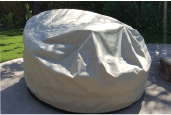
During a rain, oversized covers appear as bowls. The water collects on the surface and gradually drips into cracks and floods cushions beneath, especially patio chair covers and sectional seating.
Humidity gets trapped inside
Numerous universal covers are crafted using non-breathable materials. Condensation occurs when humidity is high, and it causes the furniture to remain wet even when the rain has ceased.
This continuous wetness eventually decomposes clothes and fades surfaces, and reduces the lifespan of your outside cover.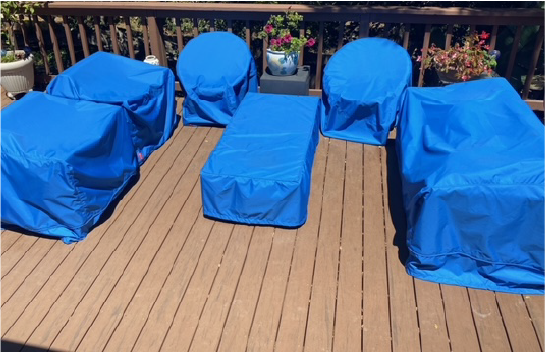
Patio Cover Fit Mechanics: Why Fit Changes Everything
The largest distinction between custom and multi-fit covers is just a matter of interaction with water and air.
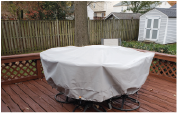
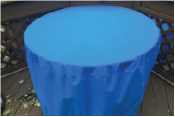
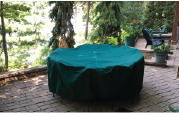
Loosely fitting covers blow about in the wind, fold down, and gather debris. Specifically tailored covers, conversely, wrap around the shape of the furniture, letting water roll off and air circulate.
The cover fits well with the environment and not with the contrary. It drains rain, keeps off the wind, does not allow moisture to stick around, and is very essential in open sectional covers, which have several cushions and corners.
The Real Cost of a Poor Fit
Multi-fit covers appear to be an inexpensive choice at first sight. However, with time, they may end up costing you lots more than you ever anticipated.
Wind damage and fabric tears
Loose covers act like sails. The flapping in a constant motion strains your seams and abrades and cuts away, creating an opening exposing your furniture.
Mildew that penetrates cushions
Mildew, once it gets to foam or padding, is almost impossible to completely remove. Smells persist, spots form, and comfort is compromised, particularly in the case of patio table covers that pool moisture against wood or metal.
Higher replacement costs
Custom-fitted covers for outdoor furniture are usually replaced two or three times less than cushions or furniture used by homeowners with universal covers. In a couple of seasons, the cheaper cover ends up being the costly one. 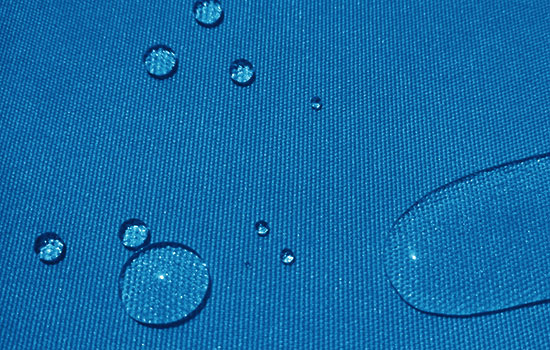
Choosing Mold-Resistant, Fitted Covers That Last
When you are after longevity, what the material is and how it is made are equally important as the fit.
- Look for premium, breathable fabrics
Fabrics such as Marinex and Sunbrella are for the outdoors. They resist moisture and still allow escape of trapped moisture, which is essential in the prevention of mold.
- Ventilation is non-negotiable
Combined vents enhance air circulation without allowing rain to get into them. This aspect is only capable of drastically stopping the condensation accumulation.
- Measure for a secure fit
Custom covers are customized in accordance with the specific dimensions, such as height, depth, and shape. The cover is anchored by using elastic hems, adjustable straps, and buckles in the event of a storm.
- Avoid cheap, plastic-like materials
Non-breathable covers for outdoor furniture can resist water temporarily, but they trap moisture, which causes a mold problem that will occur.
All these ingredients are mixed in one smart, long-term solution: high-quality custom patio covers.
Maintenance Tips for Optimal Fit and Performance
The simplest, repeated care is an advantage even to the finest covers. Some minutes in a week can add years to their lifespan
Weekly checks
Tie up straps and rearrange hems, and clear leaves or debris that might retain moisture.
Gentle cleaning
Sometimes, wash with weak soap and water. Avoid harsh chemicals that can degrade protective coatings.
Dry thoroughly before re-covering
When furniture becomes wet, allow it to completely dry, and when the weather is very wet, do not replace the cover immediately.
Off-season storage matters
Store covers clean, dry, and slightly elevated to avoid moisture contact when not in use.
These small habits ensure your covers for outdoor furniture continue performing as intended.
Final Thoughts: Fit Is the Secret to Longevity
Outdoor furniture is not cheap, and a generic solution is not enough to protect it. Although multi-fit alternatives can be convenient, they tend to cause the same harm they are designed to prevent.
Tailor-made designs offer better airflow and water drainage and will resist mold and mildew in the long term. Having the correct fit is everything, whether it is patio chair covers, patio table covers, or huge outdoor sectional covers.
As far as longevity, neatness, and saving money in the long run are concerned, custom patio covers do not just last longer; they work smarter. The most effective way to make sure your outdoor area will remain fresh, useful, and not moldy in the years to come is to choose a snug, well-designed, and breathable cover.